In today's enterprise, whether a user is computing on virtual desktop infrastructure or a physical PC, best practice is to provide the user with the least privilege required that they need to be productive. The alternative is to allow the introduction of untrusted and potentially malicious executable code into the corporate environment can destabilize the desktop infrastructure and increase security, risk and compliance exposure.
The cost of keeping the status quo adds significant cost and risk to any organization. The problem is, how do you solve it?
With AppSense Application Manager, IT teams are now in full control. Application entitlements can be defined on a per-user basis based on factors such as location, device name, IP address, firewall settings, even time of day.
With AppSense’s “Trusted Ownership” technology, only trusted applications installed by administrators are allowed to execute, while user-introduced applications are prevented from launching by default.
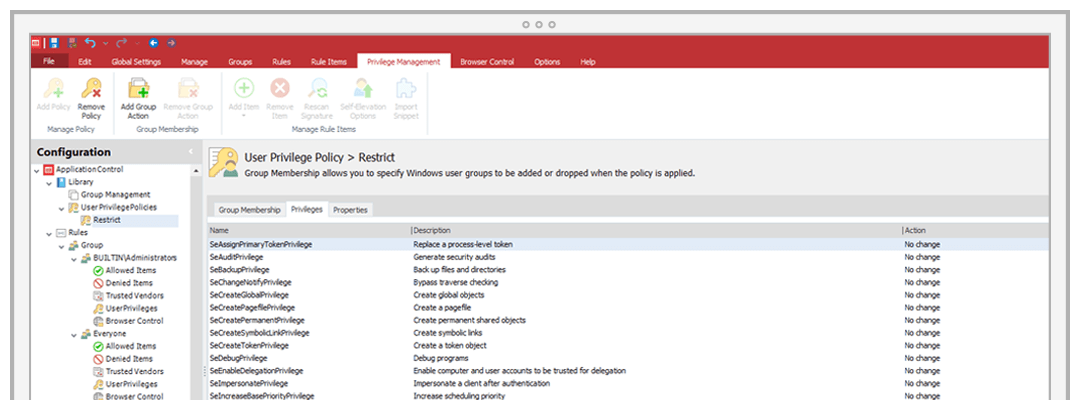
IT teams can also control user rights at a much more granular level, making it possible to finally implement “least privilege”; to eliminate local administrator accounts and provide all users a standard user account. IT can specify which applications or tasks, for which users, can then be automatically elevated to run with administrative privilege.
The AppSense approach to license management is recognized by Microsoft as a valid method of managing software license enforcement by controlling application usage on a per device basis.
Efficient and dynamic privilege management helps bolster security and trim costs. Leading IT analyst firm Gartner states that organizations using multiple levels of lockdown will reduce desktop TCO by up to $1278. By controlling user privilege at a granular level, you can provide users with the least privilege required to perform their tasks and run their applications, enhancing desktop security.