Personalization
IT teams want to standardize desktop assets to reduce infrastructure, operational and support costs. Meanwhile, users are more demanding today than ever and expect a personalized experience across all of their devices.
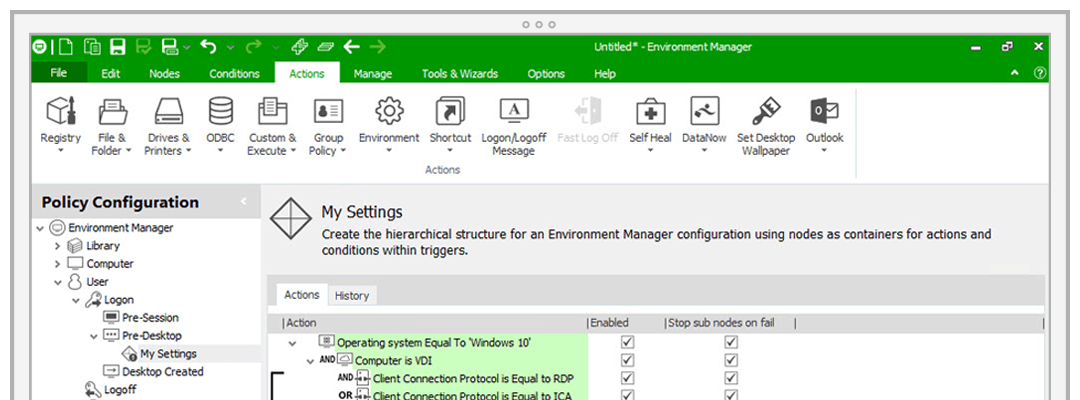
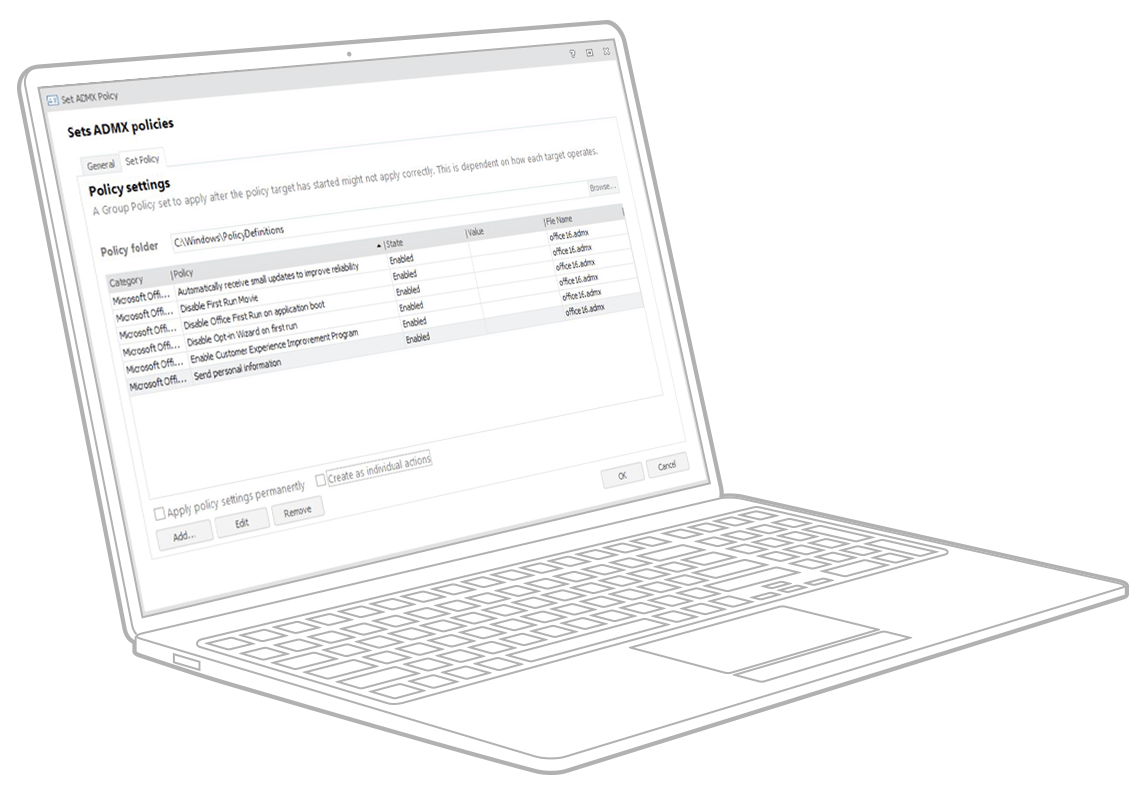
User virtualization separates all user personalization from the desktop and applications, brings each user’s unique ‘digital personality’ into a centralized management framework, and applies it on demand to any desktop or device a user choses to use. Now, IT can deliver a service that enables a user to change their environment to suit the way they work even as they access desktops and applications in new and diverse ways.
User adoption is critical to the successful implementation of any new computing environment. User virtualization ensures a familiar user experience and reduces the risk cost, and complexity of introducing desktop and application virtualization and/or migrating to Microsoft Windows 7.
When a user is separated from the desktop assets, IT strategy can now become more fluid. Users can seamlessly roam from a physical to a virtual environment, or to a new operating system platform such as Microsoft Windows 7, without having to re-create their desktop.
>>> Policy and Governance
More about user virtualization: